
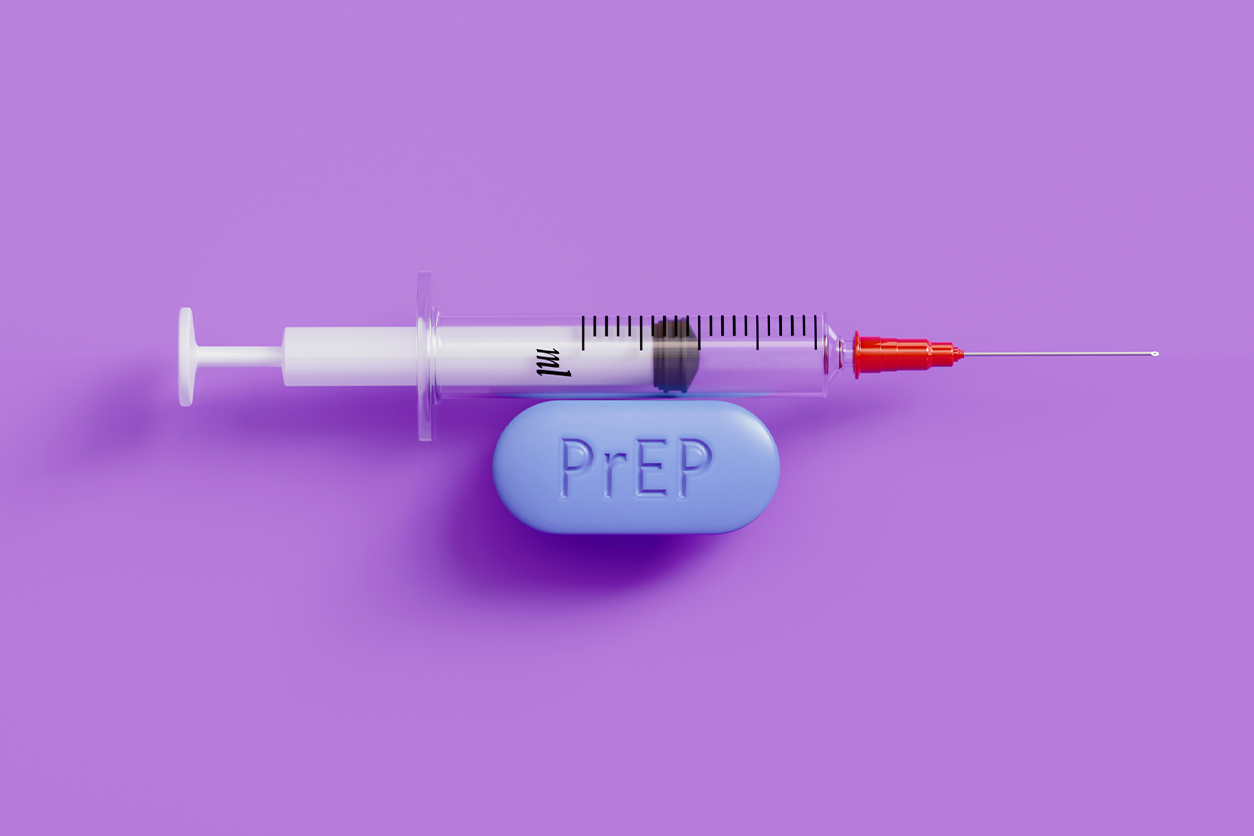
A new FDA-approved injectable PrEP medication offers a more convenient alternative to daily pills for high-risk populations.
In 2022, there were an estimated 31,800 new HIV infections in the United States. There are numerous disparities in this data, with nearly half (49%) of new infections happening in the South. 70% of infections were among gay and bisexual men – and within this subset, 36% were in Hispanic/Latino men and 34% in Black/African American men.
Despite all this sobering data, new HIV infections have in fact actually been on a decline. Pre-exposure Prophylaxis (PrEP) has been a key reason for this trend. PrEP offers a chance for people at high risk to take medications that can help prevent infection when exposed to HIV. Over the years, more medications were approved for PrEP and there has been an expansion in the population of people who can use it.
History of injectable PrEP
Towards the end of 2021, the FDA approved the use of injectable Cabotegravir for PrEP. This marked a key milestone, as PrEP had only been available as a daily oral medication until then. Cabotegravir could be taken as an injection every two months instead, and offered similar protection levels against HIV infection. This became particularly important in the care of patients who could not take daily medications due to poor adherence.
In June 2025, the FDA took this a step further by approving Lenacapavir for PrEP. Like Cabotegravir, Lenacapavir is also an injectable medication. It, too, can be spaced apart by six months. It is hard to understate the importance of this breakthrough: patients can receive just two shots a year that provide reliable protection against HIV.
Guidance and precautions
As with all PrEP medications, it is important to exclude HIV infection before starting Lenacapavir for PrEP. Given its long half life, the medication remains in the body for up to 12 months or longer, even though protective levels only last around six months. With all PrEP medications, the medication is only one part of a comprehensive plan to protect against HIV. Other steps include practicing safe sex and getting regular STD screenings.
Primary.Health has empowered local and state public health entities to offer easy and accessible diagnostic screenings and vaccinations. Our Health team can help you design a comprehensive, discreet PrEP solution – pre-screening, e-prescribing, and virtual consults – to reduce HIV risk and keep your community safe and healthy.
Disclaimer: This blog content and linked materials are not intended as individual medical advice, diagnosis or treatment, and should not be considered as such. Any readers with medical concerns should contact a licensed healthcare provider. This blog is provided for informational purposes only.